
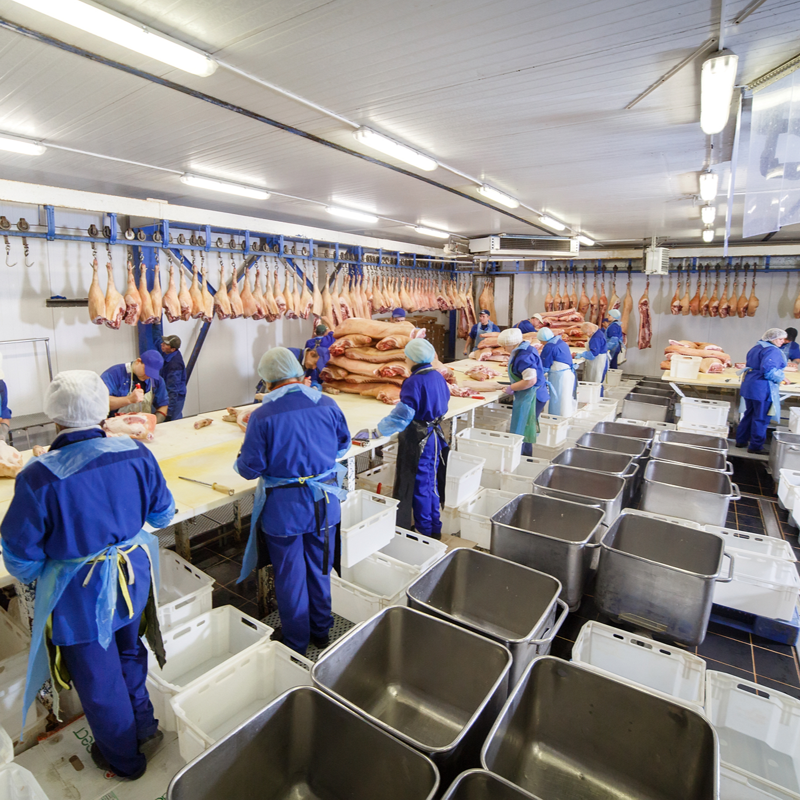
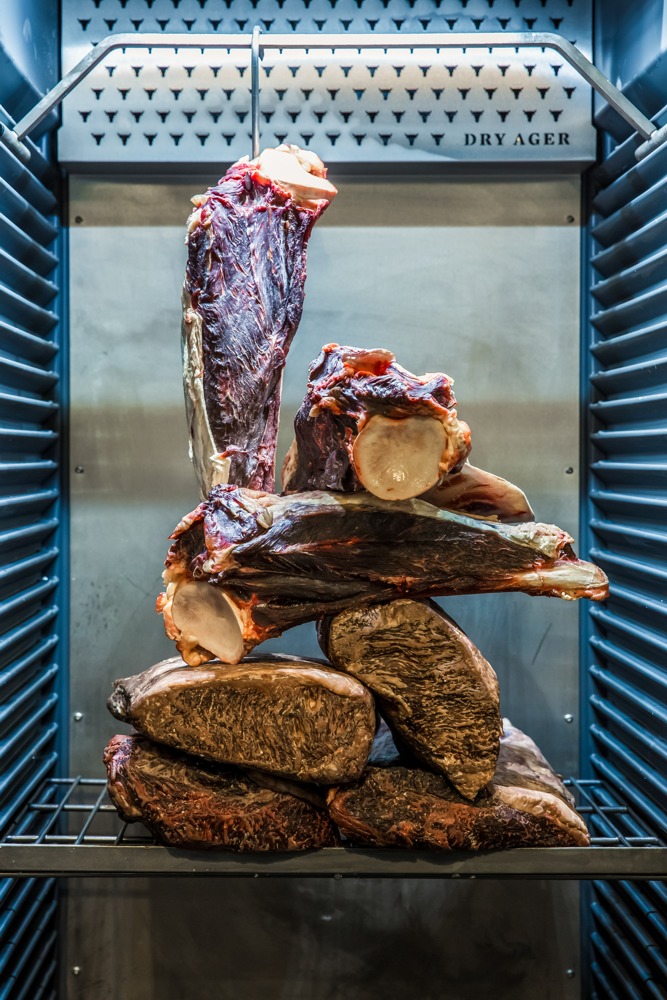
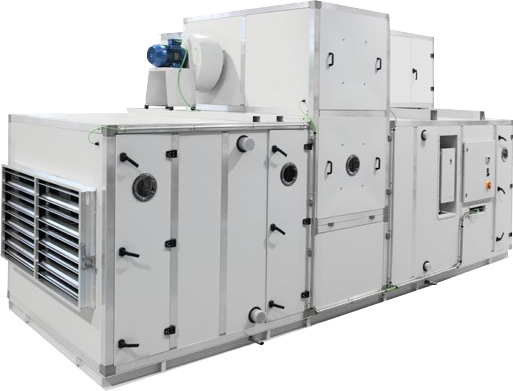
Flexible modular range.Adaptable to specific solutions.
Highly reliable equipment with drying capacities from 51 to 152 kg/h and dry air flow rates from 7,500 to 24,000 m3/h.
-
 Compact dessicant rotor air dehumidifiers. New DFOG Series of Industrial Dehumidifiers, meticulously designed to comply with global eco-design regulations, this series represents a significant leap towards sustainability and energy efficiency in the industrial sector.
 -
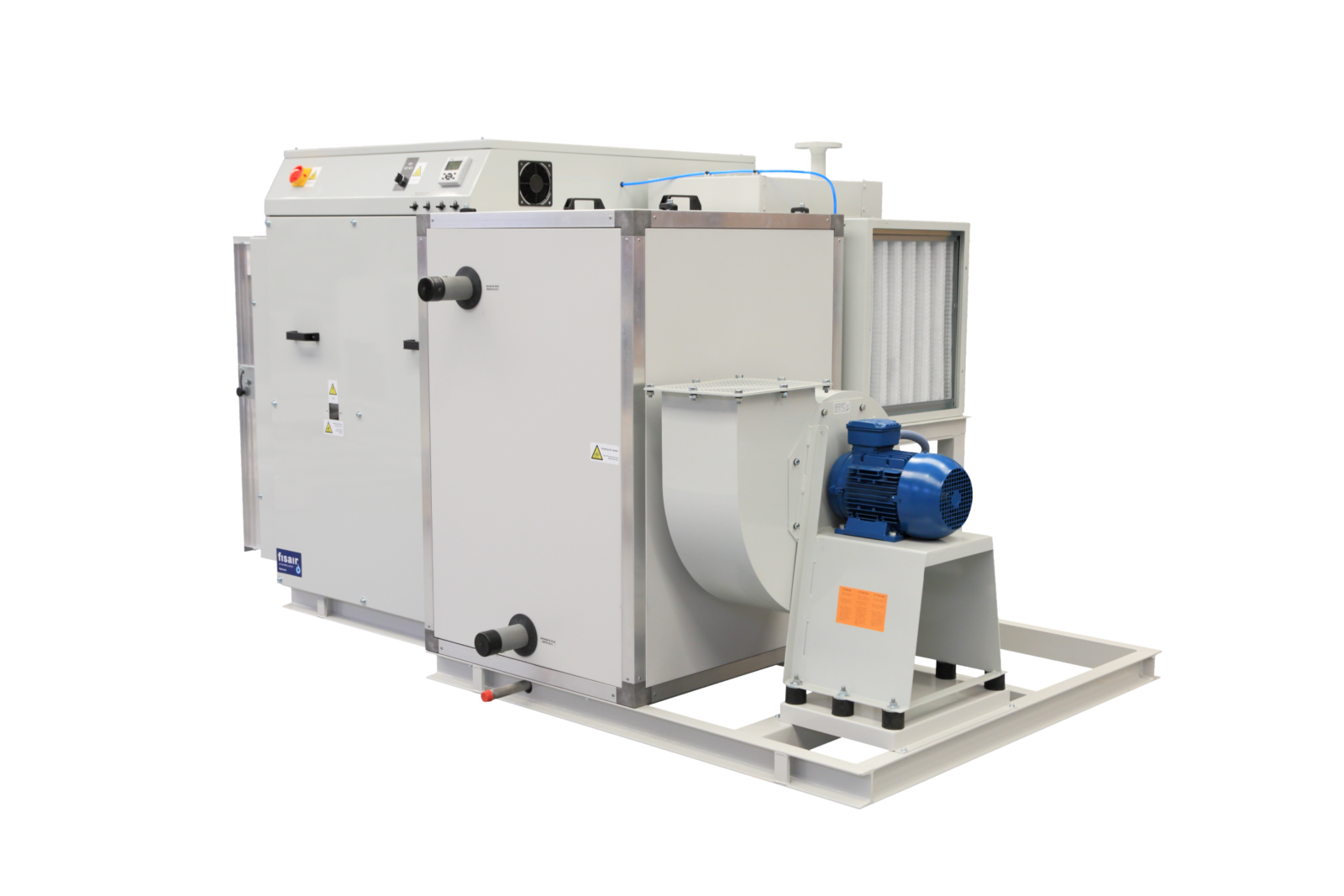 A wide range of Solutions. Highly reliable units with drying capacities from 4 to 42 kg/h and dry air flows from 450 to 6.000 m3/h.
 -
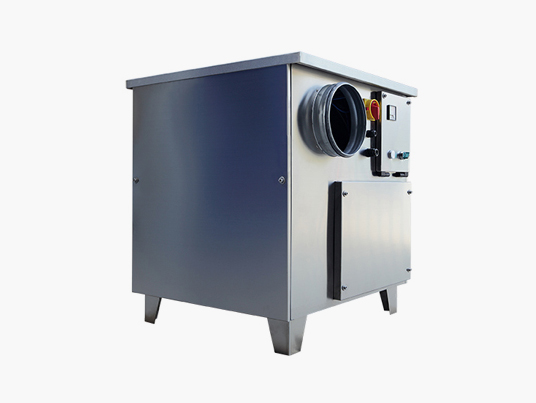 The compact solution. The B series made from stainless steel provides a range of highly compact, robust and portable dehumidifiers for use in the most demanding applications while meeting high reliability and low energy consumption needs.
 -
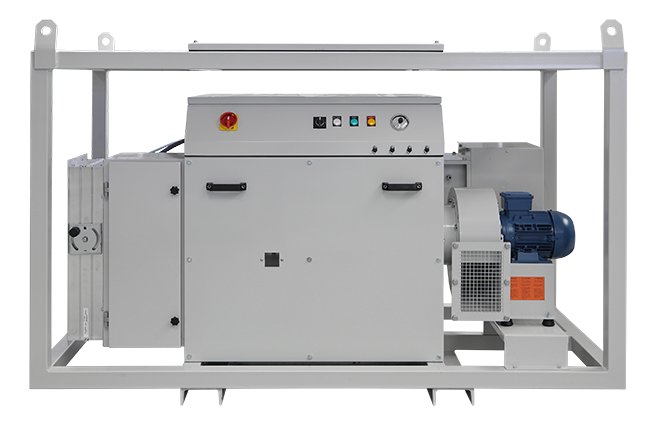 Mobile and heavy duty drying. Series aimed at temporary drying with a robust chassis and finish to protect against corrosion. Ideal for surface treatment and rental applications.
 -
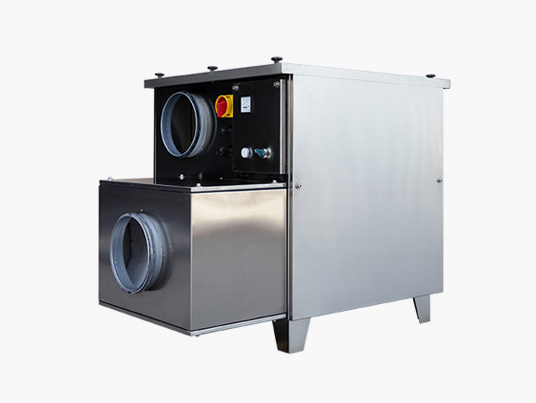 The compact solution. This range completes the B series with an additional fan to increase the specific drying capacity and the available wet air pressure.


